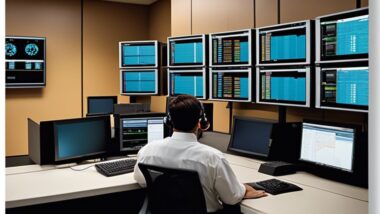
If you have ever called DFW Taxi Express for an airport ride or booked a car online, you may have wondered, what does taxi dispatcher mean and who is actually coordinating your trip behind the scenes. The dispatcher is the person or system that makes sure a driver arrives at the right place, at the right time, with the right information.
Just like a conductor leading an orchestra, a taxi dispatcher keeps every part of the operation working in sync. They coordinate the arrival and departure of vehicles, make sure customers receive timely service, and manage communication between drivers and riders. Understanding what does taxi dispatcher mean gives you a better view of how safe, efficient transportation happens across the Dallas–Fort Worth area.
This 2024–2025 guide walks through:
-
What a taxi dispatcher is
-
The core responsibilities of the role
-
The skills dispatchers need
-
How modern dispatch software supports them
-
What a typical shift looks like
-
How good dispatching improves fleet profitability
As many fleet managers like to say, “A good dispatcher is the nerve center of the fleet.”
Definition Of Taxi Dispatcher
To answer what does taxi dispatcher mean in simple terms: a taxi dispatcher is the central coordinator for a taxi or car service. This can be a trained professional, a software platform, or—most often today—a combination of both working together.
A taxi dispatcher is responsible for matching ride requests with available drivers, based on location, timing, and service level. The role calls for real-time decision-making, clear communication, and strong organizational skills. Whether you order a car by phone, website, or app, the dispatcher is the link that connects you with your driver.
Role Of A Taxi Dispatcher
When people ask what does taxi dispatcher mean in day-to-day operations, they are asking about this core set of tasks:
-
Receiving ride requests from customers
-
Assigning those requests to the most suitable drivers
-
Monitoring vehicles on the road
-
Communicating updates to both drivers and riders
With a focus on managing the fleet, the dispatcher keeps information flowing between drivers and customers, assigns rides, and watches traffic conditions. By handling many tasks at once, they help keep wait times low and rides on schedule, which directly improves customer satisfaction.
Importance In The Transportation Industry
Once you understand what does taxi dispatcher mean, it becomes clear how important this role is in urban transportation. Dispatchers connect passengers with drivers, manage schedules, and provide real-time support, so people can move safely and efficiently across the city.
They:
-
Reduce wait times by matching the closest available driver
-
Improve safety by monitoring trips and responding quickly to issues
-
Support reliable schedules for airport transfers, events, and business travel
-
Help control operating costs through smarter routing and fewer empty miles
In a busy region like Dallas–Fort Worth, taxi dispatchers help keep the entire system from sliding into confusion. Without them, services would suffer from delays, missed pickups, and disorganized routes.
Key Responsibilities And Daily Operations
Another way to look at what does taxi dispatcher mean is to examine the daily tasks behind every smooth ride. Whether handled by a person or by software, most operations include the same core responsibilities.
Handling Ride Requests
Dispatchers are the first point of contact for traditional phone bookings. They gather pickup locations, destinations, timing, and any special needs (extra luggage, child seats, larger vehicles). With app-based bookings, software captures this information automatically, but human dispatchers still monitor and step in when needed.
Assigning Drivers
Once a request comes in, the dispatcher assigns the best driver. Modern systems often:
-
Show every vehicle’s real-time location on a map
-
Highlight the closest suitable driver
-
Consider traffic, driver status, and special requirements
The dispatcher confirms the match and makes sure the driver has every detail required for a smooth pickup.
Fleet Monitoring And Communication
Dispatchers track where cars are and what they are doing throughout the shift. They stay in touch through:
-
Two-way radios
-
Phone calls
-
Driver apps connected to dispatch software
This constant contact allows them to react quickly when a driver is delayed, lost, or needs support.
Driver Support And Guidance
When drivers face unclear addresses, road closures, or questions from riders, they turn to dispatch. Dispatchers look up information, suggest better routes, and help calm tense situations, which is a big part of what what does taxi dispatcher mean in practice.
Dispatch trainers often remind new hires, “You’re the steady voice everyone counts on when the road gets stressful.”
Emergency Response
If a vehicle breaks down or there is an accident, the dispatcher acts immediately. They:
-
Call for medical help or roadside assistance if needed
-
Arrange for another taxi to complete the trip
-
Log the incident details for follow-up
Record-Keeping And Data Management
Modern dispatch software keeps detailed records of each trip, including pickup times, locations, and assigned drivers. Dispatchers review and update this information, which helps with billing, payroll, dispute resolution, and long-term planning.
Handling High Volume And Priorities
During rush hour, flight delays, major games, or concerts, trip requests spike. Dispatchers must balance fairness, speed, and safety while assigning jobs. They prioritize urgent rides, such as airport pickups with tight schedules, while still serving other customers promptly.
Skills Required For Taxi Dispatching
To fully answer what does taxi dispatcher mean as a career, you need to understand the skills that make someone effective in this role. Dispatchers must stay calm, think fast, and keep an eye on many moving parts at once.
Some of the most important abilities include clear communication, strong multitasking, and deep knowledge of local geography.
Communication Skills
Communication is at the heart of dispatching. A dispatcher must:
-
Speak clearly over the phone, radio, and in-app messaging
-
Listen carefully to customers, even when they are stressed or in a hurry
-
Confirm addresses, times, and special requests without confusion
-
Give drivers short, accurate instructions they can follow while driving
When someone calls late at night from the airport or a hotel, they rely on the dispatcher’s patience and clarity. Good communication keeps everyone on the same page and raises overall service quality.
Multitasking Abilities
The job rarely involves handling one task at a time. During a busy shift, a dispatcher might:
-
Answer a new booking call
-
Assign a driver in the system
-
Update a rider about an adjusted pickup time
-
Check on a driver stuck in traffic
All of this can happen within a few minutes. Effective dispatchers prioritize urgent needs—such as time-sensitive airport transfers—while still keeping up with routine requests. Solid multitasking keeps the entire operation steady instead of chaotic.
Knowledge Of Local Geography
Even with powerful GPS tools, a dispatcher’s knowledge of the local area makes a big difference in how what does taxi dispatcher mean plays out on the road.
They need to know:
-
Major highways and common bottlenecks around Dallas–Fort Worth
-
Best routes to and from DFW International Airport and Dallas Love Field
-
How to reach hotels, business parks, sports venues, and event centers
-
Detours that work well when traffic stalls or weather turns bad
Knowing good backup routes can mean the difference between an on-time flight and a missed departure. This knowledge improves service speed, safety, and customer confidence.
Reserve Your Reliable DFW Taxi Now
Technology In Taxi Dispatching
Travelers often ask what does taxi dispatcher mean now that apps and GPS seem to run everything, and studies like Digital Taxi Stands: Informed choice systems show how technology can reduce passenger waiting times significantly. Technology has changed how dispatching looks, but it has not removed the need for skilled people supervising the system.
Remember that technology is central to modern taxi dispatching, and it helps operations run more smoothly while improving customer satisfaction.
Dispatch Software
Reliable dispatch software is the digital brain of many fleets. It allows dispatchers to:
-
Receive app, web, and phone bookings in one place
-
View a live map of all vehicles in the fleet
-
Automatically match ride requests with nearby available drivers
-
Track trip progress from pickup to drop-off
The software also stores data about trip volumes, busy times, and driver activity. This information supports better planning, staffing, and route decisions, which is especially helpful for busy providers like DFW Taxi Express.
GPS And Navigation Systems
To keep trips on schedule, fleets rely on GPS and navigation systems built into driver apps or in-car devices. These systems:
-
Show each taxi’s real-time position
-
Suggest routes based on distance and current traffic
-
Flag road closures, crashes, and heavy congestion
Another important benefit of GPS and navigation systems is real-time traffic updates, which help drivers avoid slowdowns and reach destinations faster. With this technology, dispatchers can redirect drivers, adjust ETAs, and improve on-time performance.
Communication Devices
Reliable communication tools—such as mobile apps and two-way radios—are essential for taxi dispatchers. These devices allow quick back-and-forth between dispatchers and drivers throughout every shift.
By using strong communication tools, dispatchers can answer driver questions, change pickup details, or handle problem trips as they arise. This leads to better teamwork and responsive service, which supports both customer experience and safety guidance for drivers and passengers.
Manual Radio Dispatch Vs. AI-Driven Automated Dispatch
Another angle on what does taxi dispatcher mean today is how the role compares in older radio-based systems versus newer AI-driven platforms, with research on [PDF] Taxi Dispatch with real-time sensing demonstrating how metropolitan areas benefit from data-driven approaches. Many fleets now blend human judgment with automated decision-making.
| Aspect | Manual Radio Dispatch | AI-Driven Automated Dispatch |
|---|---|---|
| How rides are assigned | Dispatcher calls jobs over the radio; drivers volunteer | System automatically matches closest suitable driver in seconds |
| Fleet visibility | Based on driver reports and guesswork | Real-time GPS map of every vehicle |
| Speed and accuracy | Slower during busy periods; more room for error | Consistent response time, even with heavy demand |
| Handling peak demand | Dispatcher can be overwhelmed by high call volume | Software can handle thousands of requests at once |
| Data and reporting | Paper logs or simple spreadsheets | Detailed digital records for every trip and driver |
| Customer experience | Limited ETAs and few live updates | App tracking, accurate ETAs, and automatic notifications |
Even with advanced systems, trained people still monitor the platform, handle exceptions, and step in for special requests or emergencies—which is a big part of what does taxi dispatcher mean in a modern fleet.
A common saying among dispatch managers is, “Let the software do the math, but let people handle the exceptions.”
Day In The Life Of A Taxi Dispatcher
To make what does taxi dispatcher mean even clearer, it helps to look at a typical eight-hour shift. Exact hours vary, but here is what a daytime schedule might look like.
7:30–8:00 a.m. – Pre-Shift Setup
-
Log into dispatch software and communication tools
-
Review any overnight incidents or notes
-
Check which drivers are logged in and available
8:00–10:00 a.m. – Morning Rush
-
Handle a high volume of airport runs, school trips, and office commutes
-
Assign drivers quickly as calls and app requests come in
-
Adjust routes around early congestion on major freeways
10:00 a.m.–12:00 p.m. – Mid-Morning Steady Flow
-
Balance advance bookings with on-demand calls
-
Help drivers with address questions or access issues at office complexes
-
Update ETAs for customers whose flights land early or late
12:00–2:00 p.m. – Midday Admin And Support
-
Review logs to confirm all completed trips are recorded correctly
-
Answer questions from drivers about schedules, shifts, or payouts
-
Send messages about upcoming events that may affect afternoon traffic
2:00–3:30 p.m. – Afternoon Pickups
-
Manage a mix of hotel check-outs, business meetings, and shopping trips
-
Reroute drivers as afternoon traffic builds
-
Coordinate with drivers waiting at airports or major hubs
3:30–4:00 p.m. – Handover And Wrap-Up
-
Finish remaining trips and note any delays or complaints
-
Prepare a quick summary for the next dispatcher coming on shift
-
Log out of systems and confirm all communication channels are ready for the next team member
Across the entire shift, the dispatcher answers calls, watches maps, talks with drivers, and keeps customers updated—this ongoing coordination is the day-to-day meaning behind what does taxi dispatcher mean.
How Efficient Dispatching Increases Fleet Profitability
For business owners and corporate clients, what does taxi dispatcher mean often comes down to one result: better financial performance without sacrificing service quality. Efficient dispatching has a direct impact on revenue, costs, and driver satisfaction.
Some of the key benefits include:
-
Lower Fuel Use
-
Fewer “empty miles” driven without passengers
-
Smarter routing reduces time stuck in slow traffic
-
Better planning around major events and airport peaks
-
-
Faster Pickup Times
-
Matching riders with the closest available car shortens waits
-
Accurate ETAs reduce cancellations and no-shows
-
Quicker turnarounds allow each driver to complete more trips per shift
-
-
More Trips Per Vehicle
-
Well-managed schedules keep cars on the road instead of idle
-
Drivers can handle extra rides during rush periods, increasing earnings
-
-
Higher Customer Retention
-
On-time service leads to repeat bookings from business travelers and local residents
-
Corporate clients are more likely to sign ongoing contracts when service is reliable
-
-
Better Use Of Staff And Cars
-
Historical trip data shows when and where demand is highest
-
Owners can assign the right number of drivers at the right times instead of guessing
-
In short, answering what does taxi dispatcher mean from a business perspective highlights how central dispatching is to both customer happiness and long-term profitability.
Challenges Faced By Taxi Dispatchers
Knowing what does taxi dispatcher mean also means recognizing the challenges that come with the job. Every day brings new situations, changing traffic, and shifting demand levels.
Managing High Call Volumes
Large spikes in demand—flight delays, rainstorms, big events—can flood the dispatch center with requests. Dispatchers must assess and prioritize each one while still keeping calm and courteous.
They often need to:
-
Work quickly within dispatch software to assign jobs in a logical order
-
Be honest with customers about expected wait times
-
Shift drivers between areas of the city to balance coverage
Strong systems and clear processes help, but human focus and decision-making remain essential during the busiest hours.
Dealing With Customer Complaints
Another challenge built into what does taxi dispatcher mean is handling customer complaints. Dispatchers often receive calls from riders upset about:
-
Perceived late arrivals
-
Misunderstood pickup locations
-
Concerns about driver behavior
To handle these situations well, dispatchers must listen carefully, stay calm, and show real understanding of the customer’s frustration. They then work on a solution: sending another car, adjusting the fare when appropriate, or passing feedback to management. How complaints are handled can strongly influence loyalty and reviews.
Addressing Traffic And Unforeseen Events
Traffic jams, bad weather, and unforeseen events can disrupt the efficiency of taxi services. Dispatchers must stay current on:
-
Real-time traffic conditions
-
Road closures and construction
-
Weather that affects driving, such as heavy rain or ice
When conditions shift suddenly, dispatchers reroute drivers, change pickup plans, and keep customers informed. Quick, thoughtful decisions are the difference between a minor delay and a major service failure.
Working Conditions And Career Path For Dispatchers
For anyone asking what does taxi dispatcher mean as a job, it helps to understand the working environment and long-term outlook.
Most dispatchers work in an office or control room at company headquarters. The space usually includes:
-
Several computer monitors showing maps, trip queues, and driver status
-
Headsets or radios for constant communication
-
A steady stream of calls, messages, and alerts
Because taxi and car services run 24/7, dispatchers often work shifts that include evenings, nights, weekends, and holidays. A standard week may be around 40 hours, but overtime can appear during severe weather, system outages, or unusually busy periods.
In terms of background, many employers look for:
-
A high school diploma or equivalent
-
Experience in customer service, call centers, or transportation
-
Comfort with computers and basic software
On-the-job training usually covers local geography, company procedures, and dispatch software. Over time, experienced dispatchers may move into lead dispatcher, operations supervisor, or fleet management roles, especially within larger services such as DFW Taxi Express.
Why Taxi Dispatchers Matter For DFW Taxi Express Riders
As you have seen, the answer to what does taxi dispatcher mean covers much more than simply answering phones. A dispatcher is the central link between drivers, riders, and technology.
From the above, you have learned that a taxi dispatcher plays a key role in the transportation industry, acting as the main connector between drivers and customers. With responsibilities ranging from coordinating rides to handling customer questions and emergencies, a skilled dispatcher makes sure your transportation needs are met quickly and reliably.
Whether you are a business traveler catching a flight, a visitor exploring Dallas–Fort Worth, a local resident running errands, or a corporate client arranging rides for your team, understanding what does taxi dispatcher mean gives you a clearer picture of the people and systems working behind every safe, on-time trip.
Book Luxury Rides Today
Update on: Feb 14, 2026